


Ninja Arashi
4.69.70K Reviews
App Specs
- Version
- 1.9.3
- Updated On
- License
- Free
- Downloads
- 100,000,000+
- Developer
- Black Panther
- Categories
- Adventure
- Platform
- Android, iOS
Screenshots
 Analysis by AppCompare
I tend to enjoy platform games that make timing matter more than frantic button pressing, and that is the appeal I found in Ninja Arashi. Its shadowy presentation sets a serious mood, but the central pleasure is practical: read a hazard, choose a moment, and commit to a clean jump or attack. That rhythm makes it feel more deliberate than a casual side-scroller, even when I only have a short break to play.
It is an adventure game from Black Panther, released on March 8, 2017, and it remains an easy one to understand at a glance: guide a ninja through dangerous stages while pursuing a rescue story. The game is free to start, with optional in-app purchases listed at $0.99 to $1.99 per item. Its Teen rating is worth keeping in mind for families, while the simple premise and direct controls make it approachable for players who are comfortable with action and peril.
Gameplay and Mechanics
At its core, Ninja Arashi is a 2D platformer, but it’s far from your average run-of-the-mill game. You play as Arashi, a former legendary ninja who’s on a mission to rescue his kidnapped son from the clutches of an evil demon. The storyline may sound simple, but it’s executed with finesse. The game’s atmosphere pulls you in with its dark, yet beautifully crafted visuals.
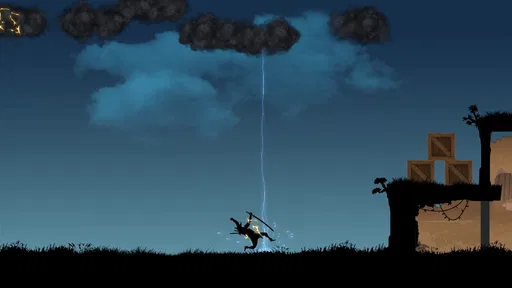
The mechanics are smooth and intuitive. You can jump, double jump, and perform a variety of ninja moves that make you feel like a true warrior. The controls are responsive, which is crucial for a game that requires precise timing to dodge traps and defeat enemies. You’ll find yourself mastering moves that let you glide through levels with a sense of ninja-like fluidity.
What matters most in practice is that movement is not just a way to get from one side of the screen to the other. A jump can be a route choice, a way to avoid a trap, or a risky attempt to reach a safer position before an enemy closes in. I found it useful to treat each unfamiliar stretch as a small puzzle rather than rushing forward. When a run goes wrong, the useful question is usually not “Was that level unfair?” but “Did I jump too early, or did I misread the timing?” That habit turns retries into learning instead of pure repetition.
For a quick play session, the stages suit a stop-and-start routine better than a game that depends on long uninterrupted story sequences. I can imagine opening it while waiting for a bus, attempting a section, then putting the phone away with a clear sense of what I want to try differently next time. It is less suited to someone who wants a passive game to tap through while distracted: hazards reward attention, and dividing it between the screen and another task is likely to produce avoidable mistakes.
Visuals and Sound Design
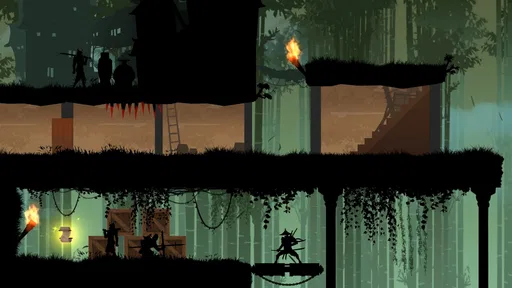
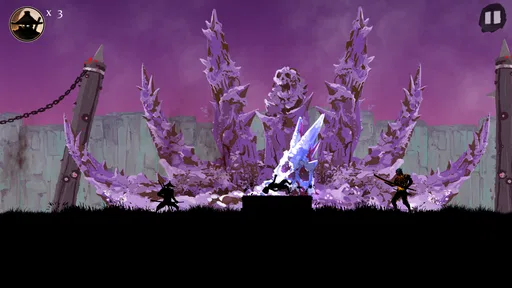
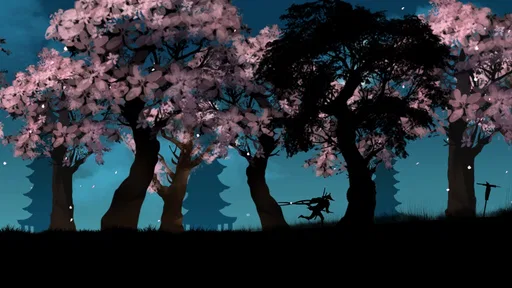
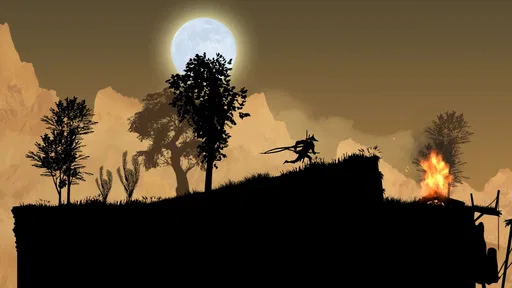
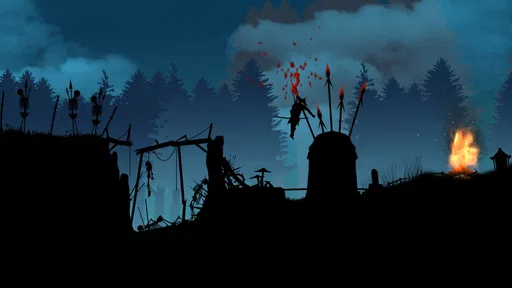
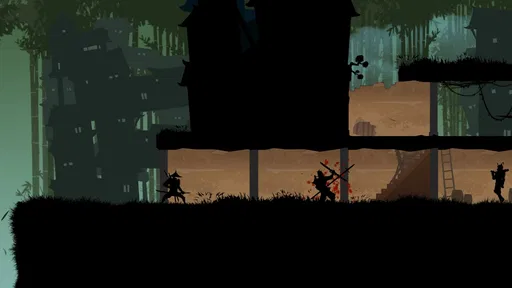
Visually, the game is a treat. The developers have done a fantastic job of creating a world that feels both menacing and enchanting. The silhouette art style, reminiscent of shadow puppetry, adds depth to the game’s mysterious vibe. Each level is distinct, with backgrounds that tell a story of their own.
Worth Reading Before You Choose

Flipboard Shows What News Apps Must Do Beyond the Feed

Switching to Android Auto Means Rethinking Your Driving Routine

Google Calendar Makes a Crowded Week Easier to Manage

Ludo King Makes the Most of the Minutes Between Plans

Baby Panda World Brings Quick Play to Modern Phones, but Its Game Library Feels Busy

ESPN’s Live Game View Makes Following Close Games Easier
Sound design complements the visuals perfectly. The soundtrack is subtle yet impactful, enhancing the tension and excitement of each level. The ambient sounds and effects are well-placed, making every encounter feel immersive. You can hear the swish of your katana and the whisper of the wind as you move stealthily through the shadows.
The art direction also has a useful gameplay effect: the dark shapes make the world feel cohesive, and the strong contrast gives the action a clear identity instead of the bright, toy-like look common in many mobile platformers. The trade-off is that a moody screen can feel visually busy when you are trying to judge a fast hazard. I recommend giving the display your full attention in a new section rather than assuming the scenery is only decoration. The atmosphere is part of the appeal, but the game still asks you to read what is happening.
Challenges and Levels
The game is divided into multiple levels, each with increasing difficulty. You’ll face not only tougher enemies but also more complex traps and puzzles. It’s a game that demands patience and strategy as you learn from each failure. The challenge is fair, and the sense of accomplishment after completing a particularly difficult level is immensely satisfying.
That difficulty curve makes it a better fit for people who enjoy refining a route than for anyone who expects every attempt to succeed immediately. One practical approach is to change only one decision after a failed run. If you alter your timing, route, and attack choice at once, it is harder to tell what helped. By testing a single adjustment, you can build a reliable response to a tricky obstacle and carry that confidence into later sections. This is a small habit, but it makes the game feel less like a string of frustrating retries.
Boss battles are where Ninja Arashi truly shines. Each boss has unique attack patterns, requiring you to think on your feet and adapt your strategy. These battles test your skills and reflexes, making victory all the more rewarding.
The action is also a contrast to many familiar mobile adventure games that lean on broad exploration, collecting, or constant narrative prompts. Here, the immediate test is more focused: watch the threat, learn its behavior, and respond with precise movement. That narrower emphasis is a strength when I want a clear skill challenge, but it may feel restrictive if I am looking for an open world or a story that unfolds through frequent character conversations. The rescue premise gives the journey a reason to continue, while the moment-to-moment play carries most of the experience.
Customization and Upgrades
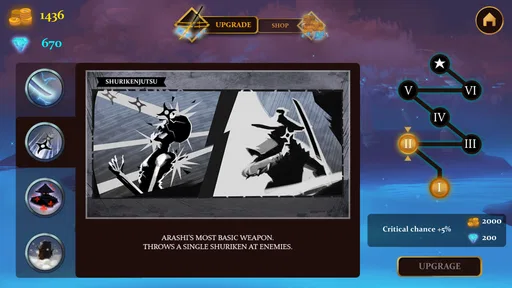
As you progress, you collect coins and other rewards, which you can use to upgrade Arashi’s abilities. There’s a decent amount of customization available, allowing you to tailor your playstyle. Whether you want to focus on speed, strength, or stealth, there are options to suit your preferences. The upgrade system is straightforward and encourages exploration and replayability.
I would treat upgrades as a way to smooth out the approach that already feels natural, rather than expecting them to replace careful play. If you are struggling because you repeatedly misjudge a jump or attack window, improving a character stat may not solve the underlying timing problem. On the other hand, if you have learned a section and want to make your preferred style more effective, the progression gives you a reason to revisit rewards and think about how you want to shape Arashi. That distinction helps keep upgrades from feeling like a shortcut around the platforming itself.
Because the game is free and includes optional purchases, it is reasonable to try the basic experience before spending anything. The listed purchase range is modest, but I would still make a decision based on whether the core movement and retry cycle suit you, not on the assumption that a purchase is necessary to enjoy it. For a parent setting up a device for a Teen-rated game, I would also check purchase controls on the device beforehand. That is a sensible general precaution for any game with in-app purchases.
Community and Development
The game has a loyal fanbase, and the developers seem committed to maintaining and updating the game. Community feedback is often taken into account, which is always a positive sign. The game’s updates have consistently added new features and improvements, keeping the experience fresh for both new and returning players.
If you’re someone who enjoys a bit of competition, you’ll be pleased to know that there are leaderboards. This adds a layer of replayability as you strive to outdo your friends and fellow ninjas.
Its wider audience is notable: the game has an average rating of 4.6 from around 693,000 ratings, and it has passed 100 million installs. I would read those figures as a sign that the premise has broad appeal, not as proof that its precise controls will suit every player. A popular game can still be the wrong fit if you dislike repeating sections or prefer combat that is forgiving. The current version is 1.9.3, and it requires Android 6.0 or later, useful details to check before installing on an older device.
Who Will Enjoy This Kind of Challenge
I would recommend it to someone who likes compact action stages, shadowy art, and the small satisfaction of improving through practice. It is especially appealing if you enjoy games where a mistake teaches you something specific. A short evening session can be enough to make progress, while a longer one gives you room to settle into a tougher sequence and work out its timing.
I would steer away from it if your ideal mobile game is forgiving, mostly passive, or built around wandering through a large world at your own pace. The precision that makes the platforming rewarding can become irritating when you are tired, rushed, or playing with only half your attention. Players who want a relaxed background activity may be happier with a puzzle game or a gentler runner; those who want more open exploration may prefer a different adventure. The key question is whether learning from failure feels satisfying to you.
For a realistic everyday use, imagine having ten minutes between appointments. This is a good choice if you can focus on a handful of attempts and accept that you may leave a level unfinished. It is not the best pick if you need to pause constantly or want a guaranteed quick win before you put the phone away. I would approach a difficult area when I have a little mental space, then stop after a clear attempt rather than continuing out of frustration. That makes the game’s demanding side feel like a challenge I chose, not an interruption.
One small but useful tip is to resist treating every collected reward as a reason to hurry onward. Take a moment to decide whether your current upgrade direction supports the way you actually play. If you tend to wait for an opening and make careful moves, build around that preference instead of chasing a more aggressive style just because it sounds exciting. The point of progression is to make your own approach more comfortable; it cannot remove the need to watch the stage and react.
Another trade-off is that the game’s focused platforming can make its story feel secondary during the most demanding moments. The rescue goal gives Arashi’s journey context, but players who need a deep narrative in every session may not find enough of that here. I found the stronger draw to be the contrast between the quiet, dark presentation and the exact decisions required to survive a stage. If you care more about atmosphere and skillful movement than extended storytelling, that balance is likely to work in your favor.
In a nutshell, Ninja Arashi is a fantastic mobile game that combines strategy, action, and a compelling story to create a memorable experience. Its beautiful design and challenging gameplay make it a must-try for any fan of the genre. Whether you’re looking to kill some time or embark on a full-fledged ninja adventure, this game won’t disappoint. So, sharpen your katana and get ready to dive into the shadows!
Pros
- Stunning visuals and smooth animations.
- Challenging levels with strategic gameplay.
- Engaging storyline with immersive elements.
- Intuitive controls make it easy to play.
- Frequent updates with new content.
Cons
- Can be difficult for beginners.
- Limited lives can frustrate players.
- In-app purchases may be necessary.
- Requires stable internet connection.
- Ads can interrupt gameplay.
FAQs for Ninja Arashi
What is Ninja Arashi about?
Ninja Arashi is an action-packed platformer where you play as Arashi, a former legendary ninja who embarks on a quest to rescue his kidnapped son from the clutches of the evil demon Orochi. The game combines fast-paced action with stealth elements, offering a rich and immersive experience across its beautifully crafted levels.
Is Ninja Arashi free to play?
Yes, Ninja Arashi is free to download and play on both Android and iOS platforms. However, the game does offer in-app purchases which can enhance your gameplay, such as unlocking new abilities or removing ads. These purchases are optional and the game can be enjoyed fully without spending money.
What kind of controls does Ninja Arashi use?
Ninja Arashi features intuitive touch controls optimized for mobile devices. Players can easily navigate Arashi through the levels using on-screen buttons for jumping, attacking, and deploying special abilities. The responsive controls are designed to provide a smooth gaming experience, even during intense action sequences.
How many levels are in Ninja Arashi?
Ninja Arashi offers 45 challenging levels spread across three distinct maps. Each level is designed with increasing difficulty, requiring players to use their skills and strategy to overcome obstacles and enemies. The game also includes hidden secrets and treasures, providing additional layers of challenge and exploration.
Does Ninja Arashi require an internet connection?
No, Ninja Arashi can be played offline, making it a great option for gaming on the go. Players can enjoy the full experience without needing a constant internet connection, although periodic updates and accessing certain features may require online connectivity.


